Increase aligns with proposal presented by Brazilian organizations to offset inflation losses, but advocates call for an automatic annual adjustment mechanism
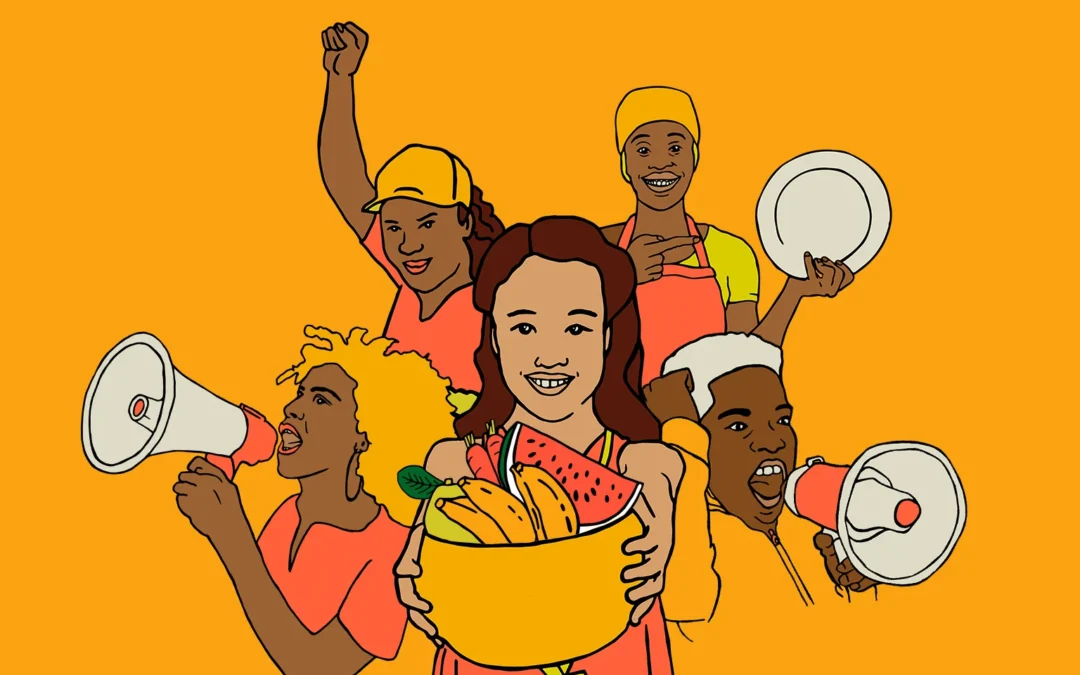

Created in 2021, the School Meals Watch, known as ÓAÊ (Observatório da Alimentação Escolar), is the main civil society network committed to the right to school meals in Brazil. It aims to amplify the voices of students, family farmers and school feeding professionals, to collectively advocate for the right to school meals and the permanent improvement of Brazil’s National School Feeding Program (PNAE). It also intends to raise awareness in society about the importance of providing adequate food in schools. We carry out campaigns and surveys, monitor the implementation of the PNAE, organize and produce data and analysis that subsidize communication and advocacy strategies.
ÓAÊ has an executive committee formed by FIAN Brasil and the Brazilian Forum for Food and Nutritional Sovereignty and Security (FBSSAN), and an advisory council made up of other 15 organizations and social movements. We advocate, on the one hand, the promotion of a healthy school food environment, protected from the supply of ultra-processed products and industry interference, and on the other, the democratization of local food procurement from family farmers, specially the accomplishment of the priority given to agrarian reform settlements, women, indigenous and other traditional peoples.
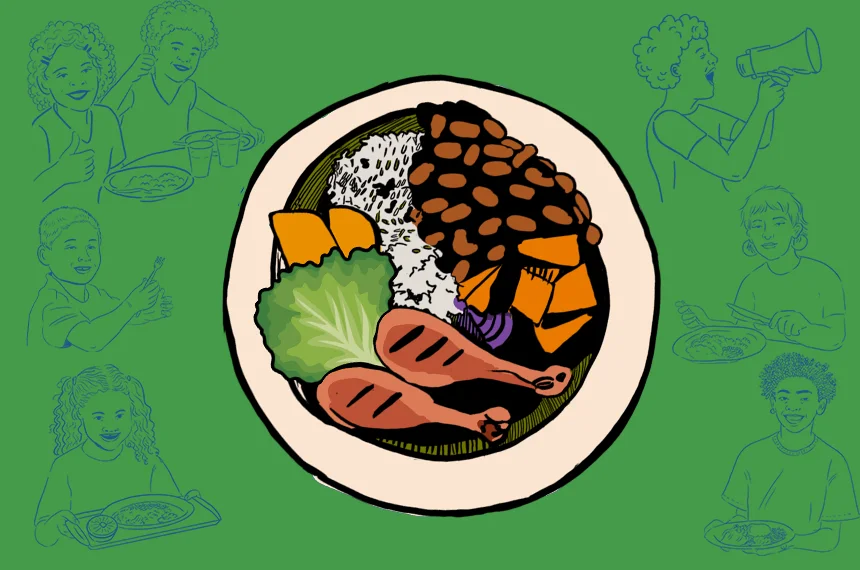
Brazil´s National School Feeding Program (PNAE) is one of the oldest public policies for the guarantee of food and nutritional security in Brazil and one of the most comprehensive school meals programs in the world. What few people know is that its consolidation as a universal policy based on the principles of the Human Right to Adequate Food and Nutrition is the result of decades of challenges and adjustments driven by the strong involvement of organised civil society.
Created in 1955, the program initially only provided food to alleviate hunger, reduce malnutrition, and encourage children’s attendance in school, similar to other school meal programs in Latin America, the Caribbean, and Africa. Over time, the program was restructured, expanding its scope and strengthening its commitment to a rights-based perspective. The changes included offering fresher and healthier foods, valuing local food culture, respecting the agricultural production of the territories, and promoting the local economy. These transformations were driven by political and social changes and the progressive institutionalisation of the fight against hunger on the Brazilian government’s agenda through new public policies and legal frameworks.
Its main objective is to ensure the provision of healthy and adequate meals to all students in public basic education in Brazil. The program serves over 40 million students in public and philanthropic schools and is funded exclusively by resources from the Brazilian government. The National Fund for Educational Development (FNDE), an agency linked to the Ministry of Education, coordinates the PNAE at a federal level, setting general guidelines and transferring financial resources to states and municipalities, which are responsible for the local implementation of the program and financial supplementation. This decentralised model allows local managers to adapt the program to their realities, considering cultural, regional, and structural aspects.
School meals in Brazil are recognised as a fundamental right, guaranteed by the Federal Constitution and regulated by legal frameworks such as Law No. 11,947/2009, the PNAE Law. The principle of universality ensures that all public school students have access to school meals, regardless of socioeconomic status. The decentralisation of management allows states and municipalities to implement the program according to their specificities, respecting national guidelines while ensuring flexibility to meet local needs. However, this autonomy also presents challenges, particularly in municipalities with lower management capacity or limited availability of local resources to complement federal transfers.
The PNAE stands out for its innovative guidelines that go beyond providing meals, aiming to transform school feeding into a tool for promoting health, strengthening the local economy and fostering social participation. One of its major innovations is the requirement that at least 30% of federal funds allocated to the program be used to purchase food directly from family farmers. This policy strengthens small producers, stimulates local production, and ensures the supply of fresh and diverse food in schools.
In addition, the program establishes clear guidelines for promoting health through school meals, restricting the offering of ultra-processed products, and encouraging the inclusion of fresh or minimally processed foods. Another key aspect of the PNAE is the participation of civil society in monitoring and overseeing the program through the School Feeding Councils (CAEs). These councils ensure greater transparency and social control, allowing different sectors of the community to monitor the use of resources and the quality of the food provided in schools.
Studies indicate that the PNAE has a positive impact on the diet and nutritional status of students who regularly consume school meals. Teenagers who participate in the program five times a week are more likely to have a higher quality diet, with more beans and vegetables, and less soda intake, compared to those who do not participate or do so less frequently. Furthermore, high participation in the PNAE is associated with a lower prevalence of overweight (11%) and obesity (24%). Additionally, by encouraging the purchase of food from family farming, the PNAE boosts the local economy and strengthens sustainable food systems. However, challenges persist, such as the need for adequate infrastructure in schools for food storage and preparation, as well as logistical difficulties in ensuring the distribution of products in more isolated areas.
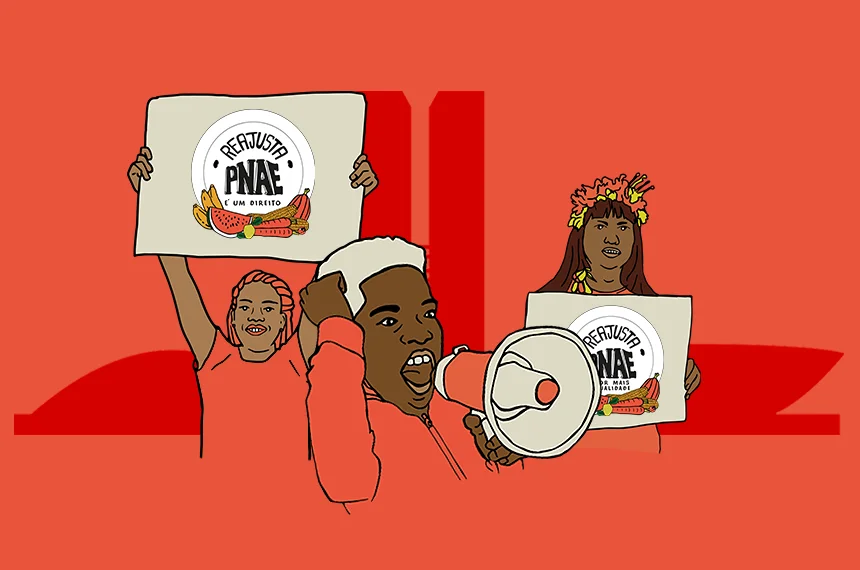
Civil society plays a key role in defending and strengthening the program. The School Meals Observatory (ÓAÊ) has been one of the main actors in this process, conducting research, monitoring the implementation of the program, and engaging politically to ensure its continuity and improvement. The political advocacy work of ÓAÊ is guided by various studies and research that allows for active listening to the perceptions and demands of the rights holders of this policy, such as students and family farmers, as well as those directly involved in its implementation and social oversight, such as cooks, nutritionists, and council members. The observatory has a strong presence in protecting and advocating for the regulatory framework of PNAE in the national congress and with the federal executive, ensuring that important rights are not lost and that the program is continuously improved. One of ÓAÊ’s initiatives is the “Reajusta PNAE Sempre” (Adjust PNAE Now) campaign, which proposes the creation of a legal mechanism to ensure annual adjustments to federal transfers, correcting inflationary losses and providing greater budgetary predictability for school feeding. Currently, PNAE does not have a permanent adjustment mechanism, making it vulnerable to inflation and the volatility of food prices. Adjustments, when they occur, depend on the decision of the current government and budget disputes in the National Congress, without a transparent and predictable methodology. This compromises the ability of states and municipalities to offer quality meals and directly impacts the fulfillment of the program’s nutritional guidelines.
In recent years, the strengthening of school meals policies has been a global trend, driven by the Sustainable Development Goals (SDGs). Governments from different countries have expanded their school feeding programs as a strategy to combat hunger, improve child nutrition, and strengthen local economies. The PNAE model has served as a reference for many of these initiatives, and Brazil has been actively involved in international cooperation to support other countries in implementing similar policies. This cooperation primarily occurs in partnership with the Food and Agriculture Organisation of the United Nations (FAO) and the World Food Programme (WFP), in addition to Brazil’s recent launch of the Global Hunger Alliance, which recognises the importance of school meals programs.
The PNAE is a concrete example of how school meals can be a powerful tool to guarantee rights, promote food security, and strengthen sustainable food systems. Its trajectory and impact make it an inspiring model for other countries seeking to build public policies that combine nutrition, education, and socio-economic development. The ongoing commitment of civil society and international cooperation will be essential to ensure its sustainability and improvement, ensuring that more children and adolescents have access to healthy, quality meals in schools. However, it is always important to remember that there is a significant gap between the program’s innovative standards and its implementation, with substantial and diverse management challenges faced in a country the size of Brazil, with over 5,000 municipalities and 145,000 schools.
School meal programs around the world – including in Brazil – face significant challenges, particularly due to the influence of the ultra-processed food industry, which sees public food policies like PNAE as a prime market opportunity for promoting its products. Corporate capture and conflicts of interest are real threats to the integrity of school meals programs based on healthy eating guidelines. School environments are spaces for forming healthy eating habits and should be guided by what is considered a golden rule in the Brazilian Food Guide from the Ministry of Health: the more natural the food offered in school meals, the better.
It is essential that civil society worldwide be prepared to monitor and advocate for school meal programs, ensuring they are formulated and implemented in alignment with the principles of the Human Right to Adequate Food and Nutrition, so they effectively contribute to the health and well-being of future generations. As members of Brazilian civil society, we are proud to forge this path and hope to continue doing so together with those who wish to join us.
This article is a summary of the publication “International cooperation for the right to school meals: a contribution from Brazilian civil society”, which can be found in English here, in Spanish here, in Portugese here.
Collection
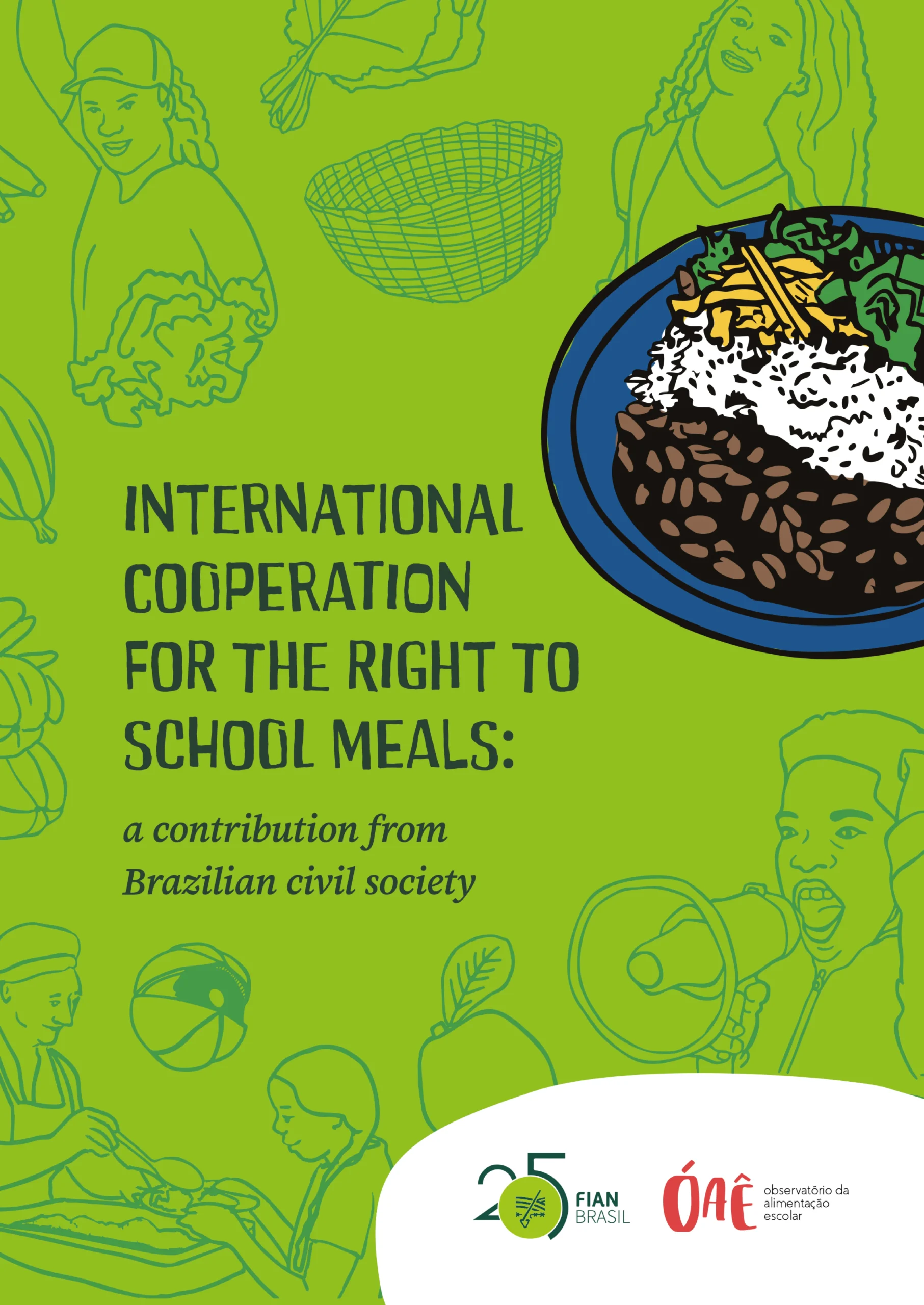
FIAN Brazil and the School Meals Watch (ÓAÊ) prepared this publication based on the experience in building and monitoring the PNAE – one of the most comprehensive and longest-standing public school feeding policies in the world – with the understanding that national school feeding programs are an important tool to guarantee the human right to adequate food and nutrition (HRtAFN) and to promote healthy and sustainable food systems. The active social participation of rights holders and organized civil society is essential for these programs to incorporate the perspective of the people, democratize institutional food markets, and be structured from the standpoint of rights and environmental, climate, and food justice. Finally, they must be developed as State policies, free from corporate capture.
Year of publication: 2025
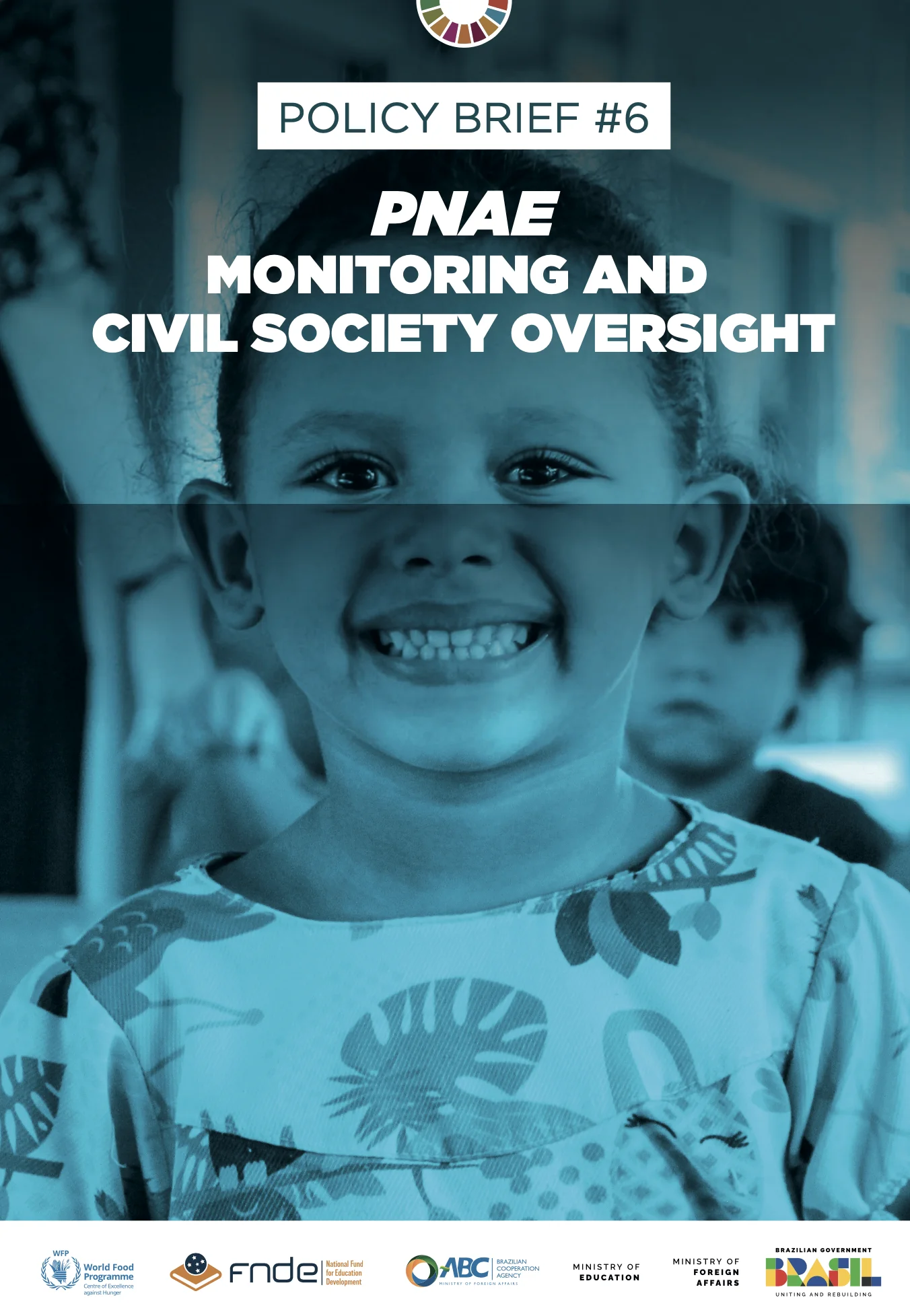
The document addresses the National School Feeding Program (PNAE), highlighting the monitoring and social control mechanisms that ensure the program’s proper implementation. It discusses how resources are supervised, with emphasis on the role of School Feeding Councils (CAE), which oversee food quality, sanitary conditions, and the appropriate use of public funds. It also mentions digital tools like the ePnae app, which allows community involvement in monitoring, and outlines challenges in executing the program nationwide.
Year of publication: 2024
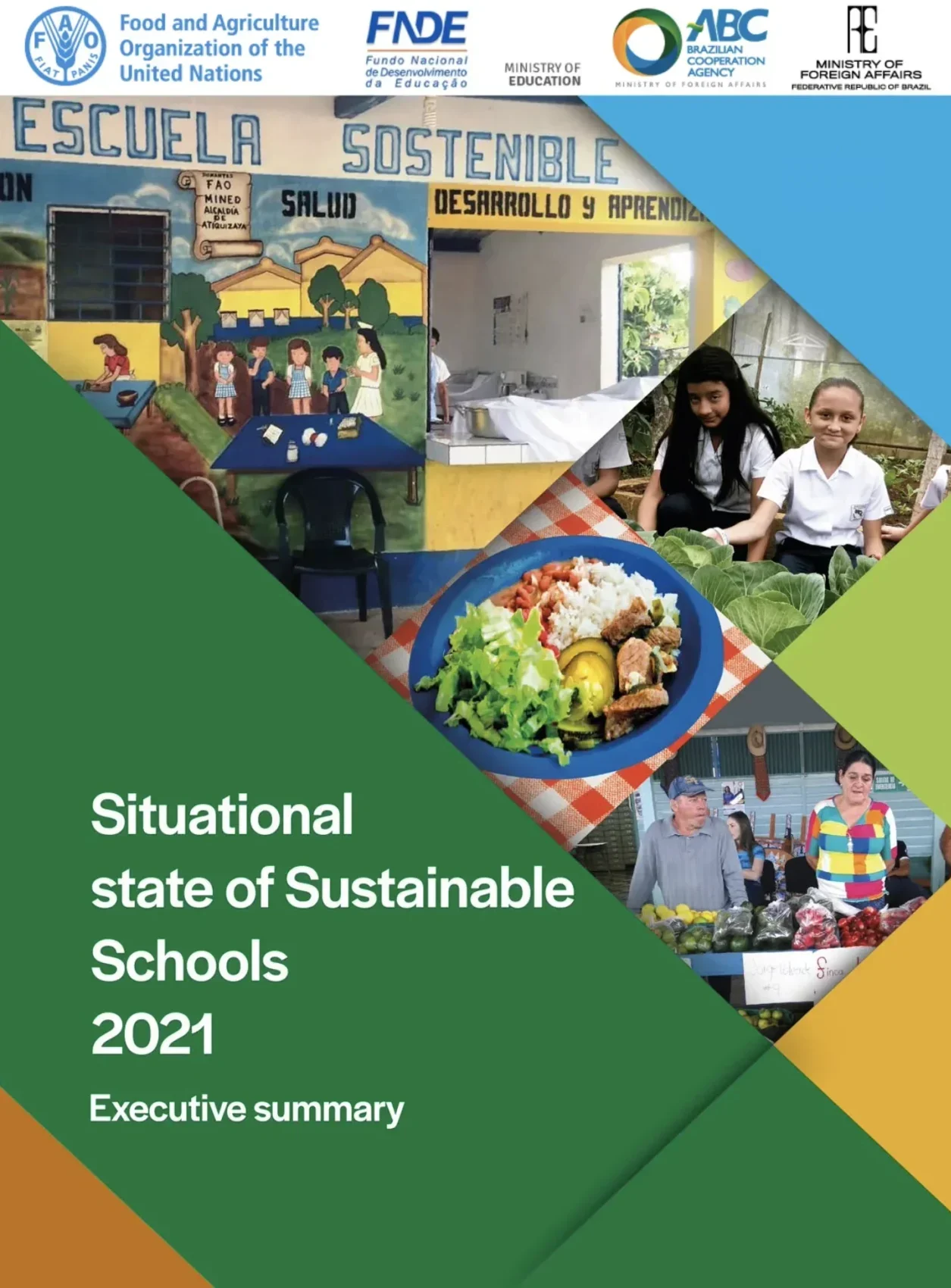
The document presents an evaluation of the implementation of the Sustainable Schools (SS) methodology in Latin America and the Caribbean, with a special focus on the role of South-South Cooperation facilitated by the Brazil-FAO International Cooperation Program. The report analyzes the progress and challenges of the School Feeding Programs (SFP), which aim to guarantee access to nutritious food for children in public schools, while also promoting educational practices in nutrition and agriculture. Technical cooperation between Brazil and the FAO, utilizing Brazil’s experience with school feeding, has served as a model for other countries.
Year of publication: 2022
Brazil has one of the largest and oldest school feeding programs in the world. Over a history of more than 70 years, Brazil’s National School Feeding Program (Pnae) has established it self as a robust universal policy, accessible to all students in the public education system and based on important principles of the right to food. In a global context of permanent threats to the right to food and imminent risks of conflicts of interest in food policies, international civil society collaboration is fundamental. That national school feeding programs are an important tool for guaranteeing the right to food and promoting healthy and sustainable food systems.
Year of publication: 2018
Starting in May 2020, new national legislation (Resolution CD/FNDE No. 6, of May 8, 2020) established new guidelines for school meals, aligning the PNAE with the Brazilian Food-Based Dietary Guidelines, which had been published in 2015. The PNAE further reinforces the promotion of healthy and sustainable eating practices, in line with the recommendations of the Guidelines, which prioritize the consumption of fresh and minimally processed foods, while restricting ultra-processed foods in the school menu.
Year of publication: 2015
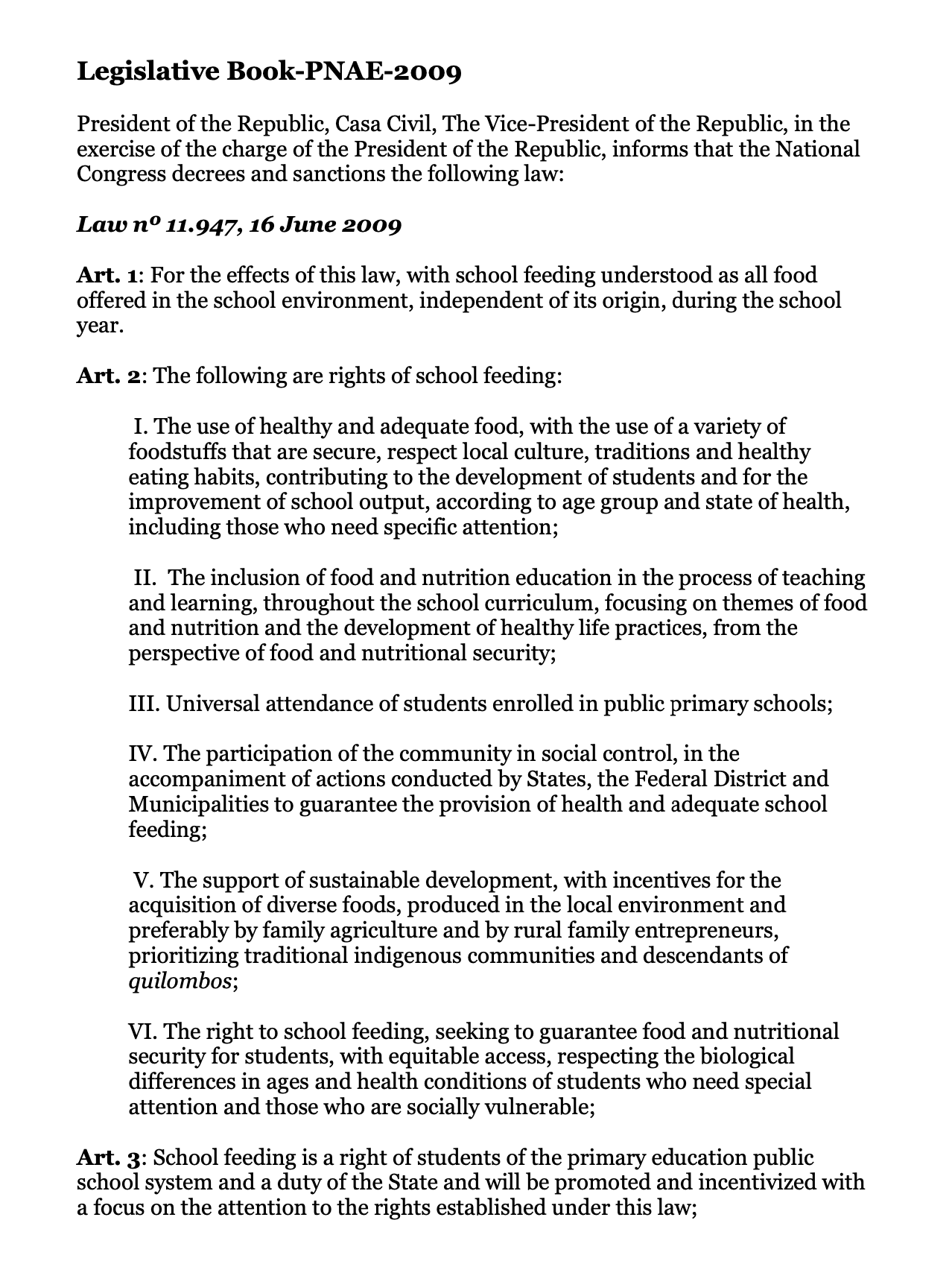
School feeding initiatives have existed in Brazil for over 70 years. However, it was only in 2009 that PNAE, in its current form, was officially regulated by a legal instrument, Law 11.947, which establishes guidelines for the program. It defines school feeding as a right for students in basic education and a responsibility of the State. The law also mandates that at least 30% of the food purchased for PNAE comes from family farming. Additionally, it highlights the role of nutritionists in menu planning and encourages community participation in social control and quality monitoring.
Year of publication: 2009
Questions and answers
Brazil’s National School Feeding Program (PNAE) is universal, which means all students enrolled in basic education (the mandatory, publicly funded foundational levels of formal education in Brazil) are entitled to it. This includes those at state schools at federal, state, district, and municipal levels (early childhood education, primary education, secondary education, and youth and adult education), and those enrolled in non-profit philanthropic and community run schools.
The PNAE offers adequate and healthy meals, primarily consisting of fresh and minimally processed foods, and also promotes food and nutrition education (EAN)
The National Fund for the Development of Education (FNDE) is the institution responsible for the PNAE at the national level, under the Ministry of Education. The states and municipalities that manage schools, act as the PNAE’s executing entities (EEx) at the local level. The FNDE transfers financial resources for the purchase of food, which states’ and municipalities’ budgets must supplement.
Most of EEXs directly manage funds, purchasing food and supplying to schools, and responding for all stages of meal operations. The choice to outsourcing school meal operations is made by a few local public managers, even though it is not a form recommended by the FNDE. ÓAÊ aligns itself with reflections and arguments in support of public management and against outsourcing.
Regarding food procurement, 30% of the funds transferred by the FNDE – approximately R$ 1.2 billion per year (USD 197,368,421)1 – must be allocated to the purchase of food directly from family farmers. The goal is to generate income, boost local economies, improve the nutritional quality of the meals provided, and promote regional food culture.
It is important to highlight that the increase in per capita amounts for different groups of students (although still insufficient) established by the federal government, the requirement to purchase from family farming and the provision of adequate and healthy meals were achievements made possible through civil society mobilisation.
According to Law No. 11,947/2009, the program’s guidelines are
I – the use of healthy and adequate food, including the use of varied, safe foods that respect culture, traditions, and healthy eating habits, contributing to the growth and development of students and the improvement of school performance, according to their age group and health condition, including those who require specific attention;
II – the inclusion of food and nutrition education in the teaching and learning process, integrated into the school curriculum, addressing the topics of food and nutrition and the development of healthy life practices from the perspective of food and nutrition security;
III – Universal access for students enrolled in the public basic education system;
IV – community participation in social control, monitoring action carried out by the states, the Federal District and municipalities to ensure the provision of healthy and adequate school meals;
V – support for sustainable development, with incentives for the acquisition of diversified food products, produced locally and preferably by family farmers and rural family entrepreneurs, prioritising traditional indigenous communities and quilombola communities;
VI – the right to school meals, aiming to ensure the food and nutritional security of students, with equal access, respecting the biological differences between ages and health conditions of students who require specific attention and those facing social vulnerability.
School meal menus must be created by a licensed nutritionist based on the Dietary Guidelines for the Brazilian Population and the Dietary Guidelines for Brazilian Children Under 2 Years of Age, using primarily fresh or minimally processed foods and taking into account nutritional needs, eating habits, and local food culture, as well as focusing on the principles of sustainability, seasonality, the agricultural diversification of the region, and the promotion of adequate and healthy eating.
Menus must be adapted to meet the needs of students diagnosed with special dietary requirements, such as celiac disease, diabetes, hypertension, anemias, food allergies, and intolerances, among others. They must also respect the cultural specificities of indigenous and other traditional communities.
According to Law 11,947/2009, at least 30% (thirty percent) of the total financial resources transferred by federal government to states and municipalities must be used to purchase food directly from family farmers and rural family entrepreneurs or their organisations, prioritising agrarian reform settlements, traditional indigenous communities, quilombola communities and women. It is important to note that in Brazil, the terms peasants, small farmers, small producers, or small-scale farmers are grouped into a single category for public policy purposes: family farming.
| FAO’s definitions of family farming: a means of organising agricultural, forestry, fisheries, pastoral, and aquaculture production which is managed and operated by a family and predominantly reliant on family capital and labour, including both women’s and men’s. The family and the farm are linked, co-evolve and combine economic, environmental, social and cultural functions. |
The purchase of products from family farming can be done without the need for a bidding process, through Public Procurement Calls, in which only family farmers identified by the federal government in its national registers can participate. In these calls, after local agricultural mapping, the foods and quantities to be purchased are defined based on the menu created by the Nutritionist. Public authorities can only purchase from family farming and its organisations directly, meaning without intermediaries or middlemen, with priority given to those located in the same municipality, to promote the local economy and food systems. Family farmers and rural family entrepreneurs who are registered in the National Family Farming Registry (CAF) can supply to the PNAE. This registry gathers information about family agricultural production units and their members, whether individual producers or organised in formal or informal groups. The menus should take into account seasonality and local production.
The School Feeding Councils (CAE) are formal spaces for social participation in the program, which must be created in all states and municipalities, linked to the education departments. They are collegiate bodies with a supervisory, permanent, decision-making, and advisory nature.
The responsibilities of the CAEs are:
The CAEs must be composed of:
The composition of the CAE can be expanded by two or three times the number of members, respecting the proportionality defined above. Members have a four-year term and may be re-elected. CAEs located in states and municipalities with indigenous and quilombola schools must have at least one representative from either these or other traditional communities in their composition.
To ensure its proper functioning, public authorities must provide: a) financial and human resources and an appropriate location for meetings; b) computer equipment; c) transportation for travel and monitoring; d) documents and information related to the implementation of the PNAE when requested; e) training for council members.
At a federal level, social participation of civil society occurs through the PNAE Advisory Committee.
Despite the national guidelines, the implementation of the program varies between states and municipalities, depending on the management capacity and commitment of local authorities, the budget, the organisation of the School Feeding Councils, and, primarily, the local specificities of each territory. For example, purchases and menu definitions must follow national guidelines, but there is flexibility for local adaptation, respecting regional eating habits and the availability of family farming products. At the same time, for municipalities with lower revenue or less commitment from local authorities, FNDE resources are the main source of funding for purchasing food for school meals, which results in insufficient and/or low-quality meals.
The integration of the PNAE with other public policies – such as health, social and rural development, social assistance, and the environment – is a fundamental pillar of the program to promote the well-being of students and ensure food and nutrition security for communities. This intersectorality is reflected in the program’s design, which articulates actions linked to education, health, agriculture, and the environment. Furthermore, the PNAE has two institutional mechanisms that enable this integration: the Interministerial Management Committee and the Advisory Committee. The Interministerial Management Committee brings together representatives from various ministries and government agencies, while the Advisory Committee is composed of representatives from civil society. Despite these advances, it is still necessary to strengthen the coordination between public policies and expand the intersectorality of the program.
The PNAE’s guidelines are aligned with the Brazilian Dietary Guidelines and national strategies for Food and Nutrition Education (EAN). In this context, the PNAE establishes which foods are allowed, limited and prohibited in school meals, as explained in question 4. Additionally, EAN constitutes a strategic axis of the program, contributing to the formation of more responsible and conscious individuals about their food choices both at school and in their contexts. Furthermore, beyond providing adequate and healthy meals, the program also regulates the sale, offering, and advertising of foods in the school environment, reducing the influence of the food industry on students.
However, the implementation of these guidelines is the responsibility of the states and municipalities and, ultimately, the schools, which have the autonomy to apply the national recommendations according to their local realities. In the case of school canteens, for example, there is still no specific national legislation that regulates, the operation of canteens in public and private schools. Therefore, the responsibility for this regulation falls on the states and municipalities. Recently, the municipalities of Niterói and Rio de Janeiro passed laws to regulate school canteens in public and private early childhood and elementary schools, prohibiting the offering and sale of ultra-processed products.
Although the PNAE law encourages public procurement directly from family farmers, its implementation faces significant obstacles in the territories. The operationalisation of purchases requires an active commitment from local municipalities and adequate structures to manage public procurement calls, support farmers, and ensure schools’ supplies. The lack of coordination between education and agriculture departments, rural unions, and CAEs hinders effective implementation.
Family farmers also face challenges, such as bureaucracy to obtain sanitary registration, lack of adequate technical assistance, insufficient school infrastructure for storage, and logistical difficulties, especially in rural areas. Additionally, delays in government payments and lack of specific credit in some areas may discourage producer participation. Overcoming these challenges through complementary public policies, such as credit and technical assistance, is essential to consolidating public purchases as a tool for promoting food security and strengthening family farming.
The management of the PNAE is shared between three governmental levels, the Union (federal government), the states, and the municipalities. The program is funded by public resources from the federal government, with a budget of R$ 5.7 billion in 2024 (U$ 937,500,000.00)¹. The National Fund for the Development of Education (FNDE) (institution responsible for the program and linked to the Ministry of Education) transfers these resources supplementally to states, municipalities, and federal schools, calculating the amounts based on the number of students and school days. However, federal transfers only cover the purchase of food, and states and municipalities need to complement the amount to ensure adequate meals, as well as cover operational and personnel expenses.
The amount transferred by the federal government to states and municipalities for each student, per school day, is as follows:
| Modality | Amount in reais | Amount in dollars² |
| Daycare | R$ 1,37 | US$ 0.23 |
| Pre-school | R$ 0,72 | US$ 0.12 |
| Indigenous and quilombola basic education schools | R$ 0,86 | US$ 0.14 |
| Primary and secondary school | R$ 0,50 | US$ 0.08 |
| Full-time education | R$ 1,37 | US$ 0.23 |
| Program for the Promotion of Full-Time Secondary Schools | R$ 2,56 | US$ 0.42 |
| Students attending Specialised Educational Services and the after-school program | R$ 0,68 | US$ 0.11 |
| Youth and adult education | R$ 0,41 | US$ 0.07 |
The Federal Constitution establishes the responsibility of all three levels of government for the program. Therefore, this amount must be complemented by state and municipality budgets. However, in reality, this is very unequal across the country. Some states and municipalities complement their own public budgets, while others limit their investments to logistics and human resources. In many municipalities, FNDE resources are the main source of financing for school meals, which can compromise the quality of meals, especially in areas with lower revenue or where the issue is of low political priority.
Another challenge is the absence of a permanent mechanism for the annual adjustments of federal transfers, making the program vulnerable to inflation and food price volatility. To address this issue, civil society, led by the School Meals Observatory (ÓAÊ), has been engaging in awareness campaigns and advocacy with legislative power and decision-makers, proposing the creation of a legal automatic mechanism to ensure annual adjustments based on inflation.
School meals can be prepared in two types of kitchens
The model we advocate for is the decentralised kitchen model, where food is prepared directly at the schools, ensuring public management, free from profit driven interests, and fresh, culturally appropriate meals. To achieve this, states and municipalities must ensure adequate infrastructure, with equipped kitchens, comfortable dining rooms, and safe storage spaces, as well as valuing and training the professionals responsible for meal planning and preparation. Cooks, very often women, play an essential role that goes beyond food handling since they get to know the students and have the potential to contribute to food and nutritional education (EAN).
It is important to mention that the PNAE makes it compulsory for states and municipalities to hire a licensed Nutritionist, who serves as a technical supervisor for the program, performing various duties, including the diagnosis and monitoring of the nutritional status of students; planning, developing, and overseeing the menu; food and nutrition education actions (EAN), among others. Similarly, cooks are also key actors in the success of the program and are compensated for their work.
News and Opinion
Increase aligns with proposal presented by Brazilian organizations to offset inflation losses, but advocates call for an automatic annual adjustment mechanism
School feeding will begin 2025 with a weakened budget; the program’s budget has already lost 42% of its purchasing power since 2010